

GEO (Generative Engine Optimisation) is the practice of improving how AI systems and search engines use your content to answer user questions in generative results. It focuses on clarity, structure, and verifiable information, not only rankings and clicks. This guide explains how GEO works, where it overlaps with SEO, and which content formats tend to surface in AI answers. It also covers practical steps UK businesses can take to strengthen topical coverage, on-page signals, and trust.
Key takeaways
- Run a branded service search and check for an AI answer above blue links.
- Publish one page per intent, with a quotable answer in the first screen.
- Support the answer with clear headings, plain language, and specific constraints.
- Include concrete details: prices, coverage areas, limits, steps, lead times, exclusions.
- Keep claims and terminology consistent across pages, headings, FAQs, and profiles.
- Maintain SEO basics: crawlable pages, internal linking, indexation, canonicals, fast mobile.
- Measure GEO via visibility, citations in AI answers, and assisted conversions after exposure.
Why UK businesses are hearing about GEO now (and what changed in search)
- Visibility without a click when your page is cited or quoted
- Generated summaries can build trust early on high-intent queries (pricing, comparisons, “best for”)
- Your site can become a reference source when facts are clear and easy to verify
- Users may get a summary of your offer without visiting your site
- A competitor can become the “source” customers remember if you are not cited
- Inaccurate or inconsistent claims can be repeated if your facts are unclear across channels
Run a branded search for your main service and check whether an AI answer appears above the blue links. That single check shows whether customers can get a summary of your offer without clicking through to your site.
Search changed because Google now blends generative answers into results via AI Overviews, and many people ask questions inside tools such as ChatGPT and Bing. These systems pull from multiple sources, then rewrite the information into one response, which can reduce the number of visits a typical “what is” page receives.
GEO is gaining attention because visibility now includes being quoted, cited, or summarised accurately. UK businesses feel the shift fastest on high-intent queries like pricing, comparisons, and “best for” searches, where a generated answer can shape trust before a click. Treat your site as a reference source: publish clear facts, keep key pages consistent, and make claims easy to verify.
How generative engines choose sources and build answers
When a generative answer cites your page, you can gain visibility without a click. When it does not, a competitor can become the “source” customers remember.
Publish one page per intent and make it easy to quote. Put the direct answer near the top, then support it with clear headings, plain language, and specific details (prices, coverage areas, limits, and steps). Keep claims consistent across your site, your Google Business Profile, and key directories so the model sees the same facts repeated.

This approach wins because generative engines build answers by retrieving passages from pages that look reliable, current, and unambiguous. They favour sources that explain terms, show evidence, and match the question closely. Strong technical SEO still underpins discovery and indexing; seo what works covers what still moves rankings.
Alternatives fit when you need speed or reach: PR can earn citations on trusted sites, and paid search can protect high-intent terms while your content earns authority.
What GEO work looks like in practice: content, structure, and technical signals
Most GEO efforts fail when teams treat it as keyword placement and ignore quote-ready structure and machine-readable signals.
In practice, GEO work starts by shaping each page into a clean source a model can lift from. Put the core answer in the first screen, then expand with tight subheadings, short paragraphs, and concrete constraints such as eligibility, service areas, lead times, and exclusions. Keep terminology consistent across pages so the system can reconcile entities and attributes without guessing.
Technical detail carries the page from “readable” to “reusable”. Use descriptive titles, stable URLs, and internal links that clarify relationships between services, locations, and supporting guides. Add schema where it fits the content (for example, FAQPage, Organisation, LocalBusiness, Product, or Service) and validate it in Google’s Rich Results Test. Maintain strong crawl hygiene with XML sitemaps, canonicals, and fast, error-free responses.
The outcome is content that generative engines can parse, trust, and cite, increasing the chance your wording becomes the summary users see and repeat.
How GEO differs from SEO, and where the two overlap
| Area | SEO focus | GEO focus |
|---|---|---|
| Where visibility happens | Clicks from blue links to your site | Being quoted/cited/summarised inside AI answers (even without a click) |
| Content shape | Topical relevance and on-page optimisation | “Liftable” passages: direct answer near the top + tight supporting detail |
| Technical foundations | Indexation, internal linking, mobile performance, canonicals | Still required to enter the candidate set for retrieval and citation |
| Consistency signals | Brand and page consistency helps rankings and trust | Consistent facts across site, Google Business Profile, and directories so models see repeatable truth |
GEO changes where visibility happens: your content can be quoted inside an AI answer even when nobody clicks your site.
Keep doing SEO fundamentals because generative engines still rely on crawlable pages, strong internal linking, and clear topical relevance. Technical basics such as indexation, fast mobile performance, and clean canonical tags still decide whether your pages enter the candidate set.
Shift your on-page work towards “liftable” passages. Put a direct, plain-English answer near the top, then add tight supporting detail: service area, constraints, steps, and any exclusions. Use consistent entity signals (business name, locations, services) across pages, and add structured data where it fits, such as FAQPage, LocalBusiness, and Service schema.
Common mistakes include chasing new keywords without improving clarity, hiding key details in PDFs, and writing vague claims that cannot be verified. Another frequent miss is treating GEO as separate from local SEO; for location-led services, keep your coverage pages specific and aligned with your Norfolk SEO Services landing pages and Google Business Profile.
How to measure GEO impact: visibility, citations, and assisted conversions
When GEO works, your brand appears inside AI answers as a cited source, not just a blue link. Treat measurement as three connected signals: visibility in generative results, citations (your pages named or linked), and assisted conversions that happen after an AI touchpoint.
Start by tracking where you show up. Run a fixed set of high-intent queries each month across Google (AI Overviews where available), Bing, and ChatGPT, and log whether your domain is cited, paraphrased, or absent. In Google Search Console, monitor query themes that trigger informational impressions but low clicks; those often align with AI summaries that satisfy intent on the results page.
Then connect exposure to revenue. Use GA4 to review assisted conversions and path exploration for landing pages that earn citations, and tag key actions (calls, forms, quote starts) so attribution is consistent. Expect fewer clicks on some queries; aim for higher-quality sessions, stronger branded search, and more enquiries from pages that models can quote cleanly.
Common GEO mistakes UK businesses should avoid (and quick fixes)
Build each priority page to be quotable and verifiable, then remove anything that makes the answer hard to lift cleanly.
The most common GEO mistake is burying the direct answer under scene-setting copy. Move the key statement into the first screen, keep sentences tight, and use consistent terms for the same service across headings, body copy, and FAQs.
Weak sourcing is the next failure point. Replace vague claims with specifics you can stand behind: service areas, lead times, eligibility limits, and what is excluded. Where you cite third-party facts, link to the original source and keep dates current.
Many UK sites also break trust with mismatched pages: a “pricing” page that avoids numbers, or a “locations” page that conflicts with Google Business Profile. Align these assets, then check that internal links point to the single best page per intent.
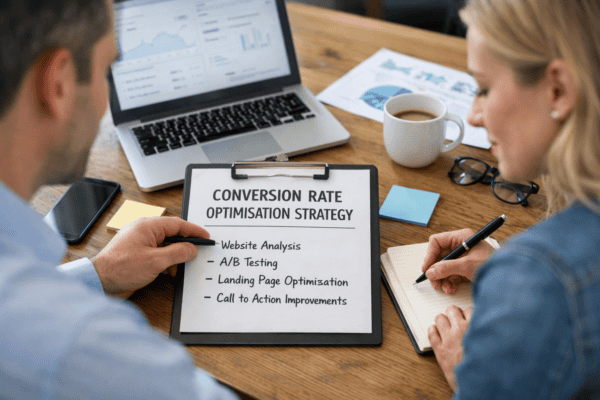
If visibility rises but enquiries do not, treat the page as a sales asset as well as a citation target. Tighten calls to action, forms, and proof points, then track conversion rate alongside citations.
Frequently Asked Questions
How does Generative Engine Optimisation (GEO) differ from traditional SEO for UK businesses?
GEO focuses on getting your business accurately cited in AI-generated answers, not just ranking in Google results. It prioritises clear entity details, consistent facts across trusted sources, and content that AI can quote without ambiguity. Traditional SEO still centres on keywords, backlinks, and technical performance to win clicks from search results pages.
Which types of content are most likely to be cited by AI search and answer engines?
AI answer engines cite content that is easy to verify and quote. Clear, structured pages with specific facts and stable wording tend to win citations.
- Original research, surveys, and datasets with transparent methods
- Authoritative explainers that define terms and state claims with evidence
- Step-by-step guides, checklists, and troubleshooting pages
- Reference content: glossaries, standards, policies, and official documentation
What on-page changes help AI systems understand and trust a UK business website?
Strengthen your on-page trust signals and make key facts easy to extract. Use clear headings, plain service descriptions, and consistent business details (name, address, phone) across every page. Add visible policies, author or company credentials, and structured data for Organisation and LocalBusiness so AI systems can verify who you are.
How can UK businesses measure whether GEO work is improving visibility in AI-generated answers?
AI answers change often, so track trends, not single rankings. Monitor referral traffic from AI surfaces where available, plus branded search growth and conversions from those visits. Run a fixed set of prompts monthly, record whether your brand is cited, the position in the answer, and the accuracy of key facts.
What risks should UK businesses consider when optimising for generative engines, including accuracy and brand safety?
Generative engines can produce incorrect or outdated claims, even when they sound confident. UK businesses should check facts, dates, prices, and legal wording before reuse, and keep an audit trail for approvals. Brand safety risks include being quoted out of context, appearing next to harmful content, or exposing confidential data; restrict sensitive material and monitor citations regularly.